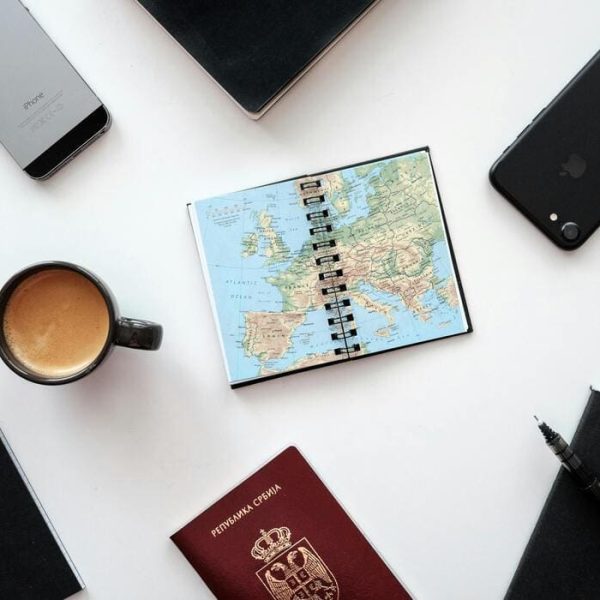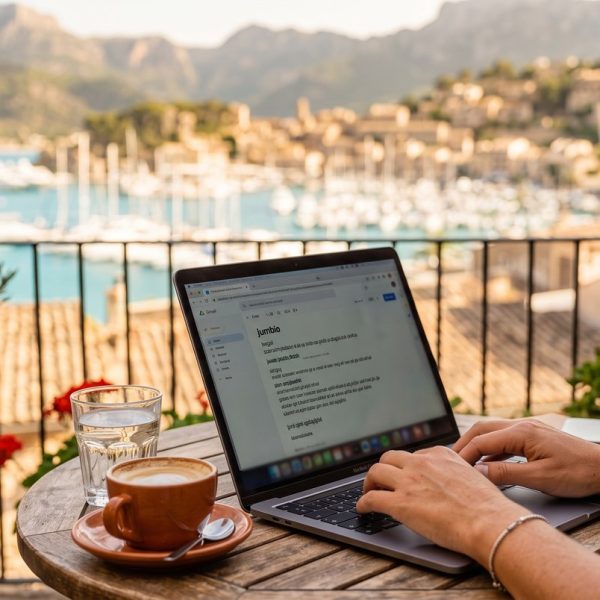
The dream is familiar. Sunshine most of the year, long lunches, a slower pace, and a coastline that makes your old commute feel like a bad memory. For a lot of English speakers, moving to Spain for work has shifted from a fantasy into a real plan, helped along by remote jobs and a visa system that has finally started to welcome newcomers. The reality is very achievable, but it rewards people who prepare rather than those who just book a one-way flight and hope.
This is a practical look at what the move actually involves. Not the postcard version, but the paperwork, the budgeting, and the small decisions that make the difference between settling in smoothly and spending your first three months stressed.
Sorting out the right to work
The first question is legal. If you hold an EU passport, you can live and work in Spain with very little friction. If you are coming from outside the EU, including the US, the UK, or Australia, you need a visa, and the route you choose shapes everything else. The digital nomad visa has become the popular option for remote workers employed by companies outside Spain, while others come on work permits tied to a local employer or as self-employed autonomos.
Whichever path fits, expect to gather documents, and expect them to be scrutinized. Birth certificates, criminal background checks, and proof of income often need to be officially translated and legalized before Spanish authorities will accept them. This is where a lot of applications stall, so it is worth understanding early what a certified translation actually is and when you need one, rather than discovering the requirement a week before your appointment.
The real cost of living
Spain is often sold as cheap, and compared to London, New York, or Sydney it genuinely can be. But the cost of living in Spain varies enormously by region. Madrid and Barcelona rents have climbed steeply, while smaller cities and the islands sit somewhere in between. Groceries, eating out, and public transport remain reasonable almost everywhere, and healthcare is a major saving for anyone used to the American system.
A sensible approach is to price your specific destination rather than the country as a whole. Rent will be your biggest line item, and it swings from very affordable inland to pricey in the coastal hotspots. Factor in that living in Spain as an American also means budgeting for private health insurance in the early period, plus the setup costs of a new home, before your income settles into a rhythm. Volunteers and charities providing refugee support help students believe university is genuinely within reach.
Finding work once you arrive
If you are not bringing a remote job with you, the local market takes patience. English speakers do well in tourism, teaching, customer support for international companies, and increasingly in tech and translation. Networking matters more than in some countries, and a lot of roles are filled through word of mouth rather than job boards. Learning even basic Spanish widens your options dramatically and signals that you intend to stay.
Relocating for work turns out to be mostly an administrative project, with the language barrier landing hardest on contracts and residency paperwork. Anyone who has done it once tends to arrange certified translations before departure rather than after. For those heading to the Emirates instead, this guide to legal translation dubai covers the equivalent requirements.
Living in Spain long term works best when you treat the language as part of the job hunt, not an afterthought. Many newcomers underestimate how much smoother daily life becomes once they can handle a phone call to the town hall or a chat with a landlord without switching to English.
Choosing where to land
Spain is not one place. The dry central plateau, the green north, the Mediterranean coast, and the islands each offer a different life. Mallorca and the wider Balearics draw a steady stream of English speakers for good reason, combining island calm with real infrastructure and an international community. If you are weighing it up, the background on Mallorca is a useful primer on what island life actually looks like beyond the beaches.
Before you commit, talk to people who have already done it. Communities like the r/expats forum are full of honest accounts of what went right and wrong, and reading a few before you pack will save you from mistakes that are obvious only in hindsight. The move is very doable. It just goes far better when you arrive with your eyes open and your documents in order.
The admin you cannot skip
Once you have the right to be in the country, a short list of bureaucratic steps unlocks everyday life, and doing them in the right order saves weeks. The NIE, your foreigner identification number, is the key that opens almost everything else, from signing a lease to getting paid. You will also want to register at your local town hall, a process known as empadronamiento, which proves your address and is required for a surprising number of services.
Opening a Spanish bank account, arranging a local phone number, and registering with the health system round out the essentials. None of it is difficult on its own, but the offices keep their own hours, appointments can be scarce, and staff may not always work in English. Booking early and bringing more copies of every document than you think you need are the two habits that separate a calm first month from a frustrating one. Treat this stage as the real cost of the move, not the flights, and you will be pleasantly surprised by how quickly Spain starts to feel like home once the paperwork is behind you.