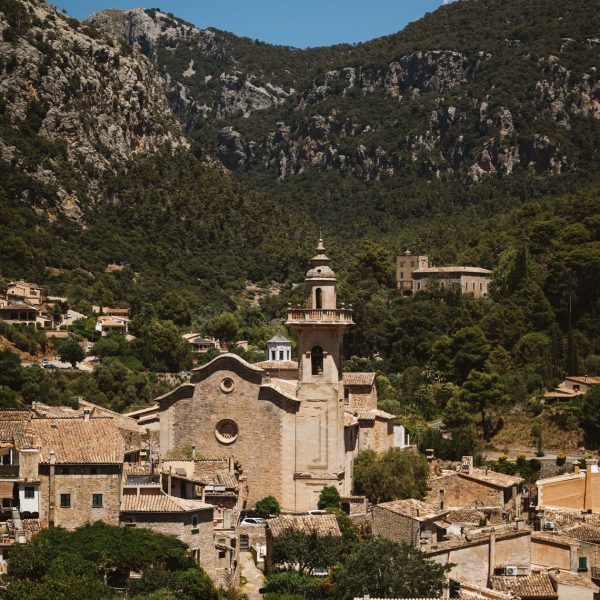
Mallorca is famous for summer jobs in bars, hotels and boats, yet the island offers far more than seasonal work. People who plan carefully can build a stable career here, and the first step is knowing where the real demand sits throughout the year.
Understand the island economy
Tourism drives most hiring, but it is not the only engine. Property management, healthcare, education, logistics and small family firms all employ people in the quiet months.
Look beyond the coast resorts. Palma and towns such as Inca and Manacor host offices, shops and services that run all year.
Hospitality jobs that last longer
Hotels that stay open in winter and city restaurants in Palma hire for permanent roles. Managers, chefs, receptionists and maintenance staff are always in demand.
Apply early in the spring for the next season, and ask directly whether a contract can be extended. A good reputation opens year round doors.
Languages are your strongest asset
Spanish and Catalan matter for daily life, but German, English and Scandinavian languages are sought by employers who serve international residents and visitors.
Employers in real estate and legal services often need documents in several languages. A partner offering Dutch translation services is useful for firms that deal with the large Dutch speaking community on the island.
Know the paperwork before you arrive
EU citizens can work freely, but still need a tax number and registration with social security. Non EU citizens need a work permit arranged through an employer.
Start the process early because offices can be slow in the high season. Keep digital copies of every document you submit.
Official documents often need translation
Diplomas, criminal record checks and birth certificates may need an official Spanish version before an employer or authority accepts them.
Our guide to finding a certified Spanish translator explains what to look for and how to avoid rejected paperwork.
Use official job channels
The European job mobility portal lists vacancies and gives practical advice on living and working abroad. You can start with EURES job mobility information to compare conditions across countries.
Local employment offices and island job boards add more listings. Check several sources each week, since good roles are filled quickly.
Remote work is growing on the island
Digital workers choose Mallorca for the climate and the airport links. Coworking spaces in Palma offer fast internet and a social circle.
If you work for a foreign employer, check tax and residency rules carefully. Rules differ by situation, and mistakes can be costly.
Build a local network
Many jobs are never advertised. They pass by word of mouth in cafes, sports clubs and expat groups.
Attend community events and introduce yourself with a short, friendly pitch. A personal recommendation often outweighs a perfect CV.
Prepare a local style CV
Keep it to one or two pages, add a photo only if the employer asks and list languages with honest levels. Employers value clarity and practical experience.
Include references from previous roles when possible. A phone number for a past manager signals confidence.
Plan your housing early
Rents rise sharply in summer and long term rentals are scarce. Start looking before accepting a job so you are not forced into an unstable arrangement.
Ask employers whether they offer staff housing. Some hotels and large venues do, especially for seasonal teams.
Learn the work culture
Schedules are often split with a long midday break, and relationships matter. Punctuality is respected, but conversations start with small talk.
Show patience with bureaucracy and humor with delays. Newcomers who adapt quickly are remembered and recommended.
Think about long term growth
Take courses in languages, hospitality management or digital skills during the quieter months. Many local institutions offer low cost evening classes.
The best jobs go to people who treat the island as a home and not only a season. Invest in your skills and your community together.
Compare contracts carefully
Read the length, hours, pay and notice period before signing. A permanent contract in Spain offers more protection than repeated short ones, so ask what type is offered.
If something is unclear, request a written explanation. Serious employers are happy to clarify the terms before you start.
Handle money and banking
Open a local bank account soon after arriving, since many landlords and employers prefer direct transfers. Bring your tax number and proof of address.
Keep records of payslips and invoices. They help with tax returns and with future rental applications.
Look after your wellbeing
Island life can feel isolating in winter when many places close. Join clubs, learn the language and keep a regular routine.
Staying active and connected makes the quiet season enjoyable and keeps your motivation high for the next job search.
Stay flexible and keep learning
Markets shift each year as new businesses open and others close. Be ready to try a related role if your first choice is full.
Short courses and volunteer work add skills and contacts. Patience and flexibility are the most reliable tools of anyone starting over on the island.